// archive · older work
YAIWA
Smartphone Design
Full smartphone UI and industrial design concept for YAIWA — a Spirit Asia Company product. Visual identity, screen UI design, packaging direction, and product photography art direction.
Scope: End-to-end design responsibility for a hardware product entering a competitive mobile market. The work spanned from brand identity and visual language through to UI screen design and packaging — a full product design engagement requiring consistency across physical and digital touchpoints.
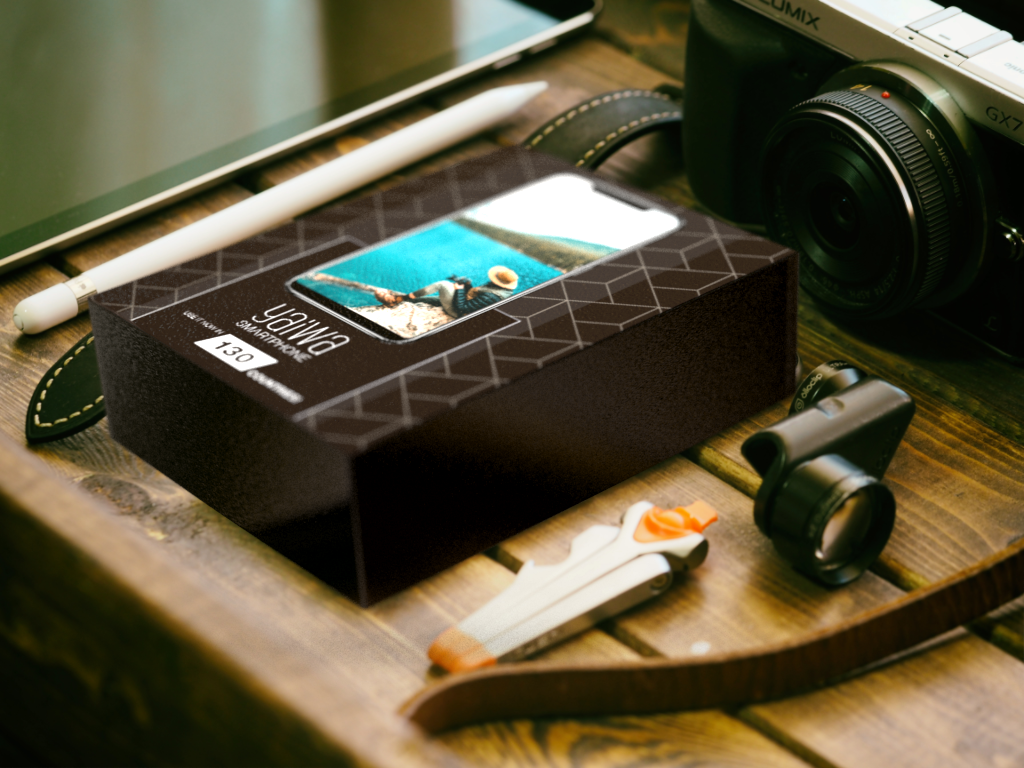






Screen UI design followed the brand's visual language — clean, modern, and market-competitive. Packaging direction unified the physical product presentation with the digital experience identity.
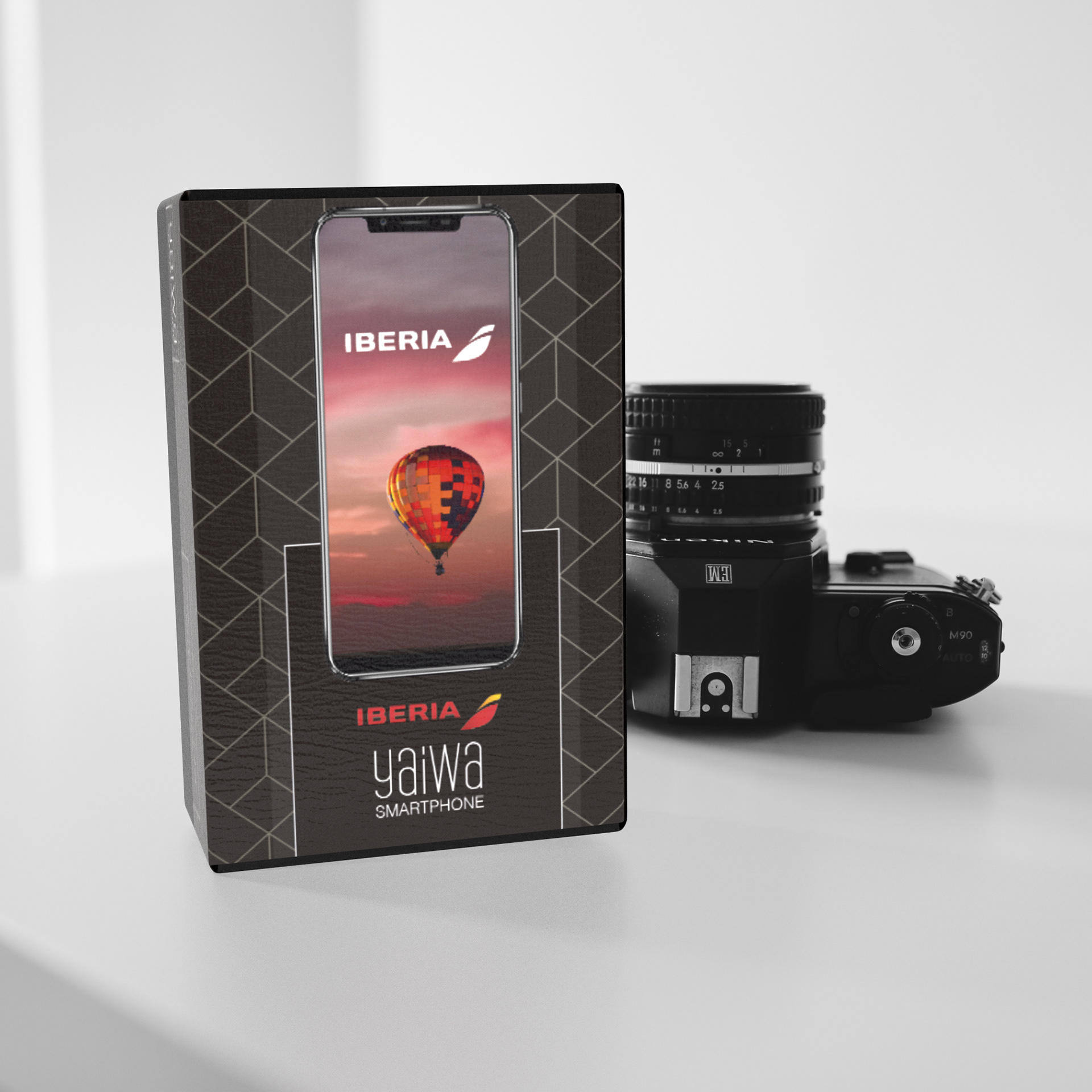
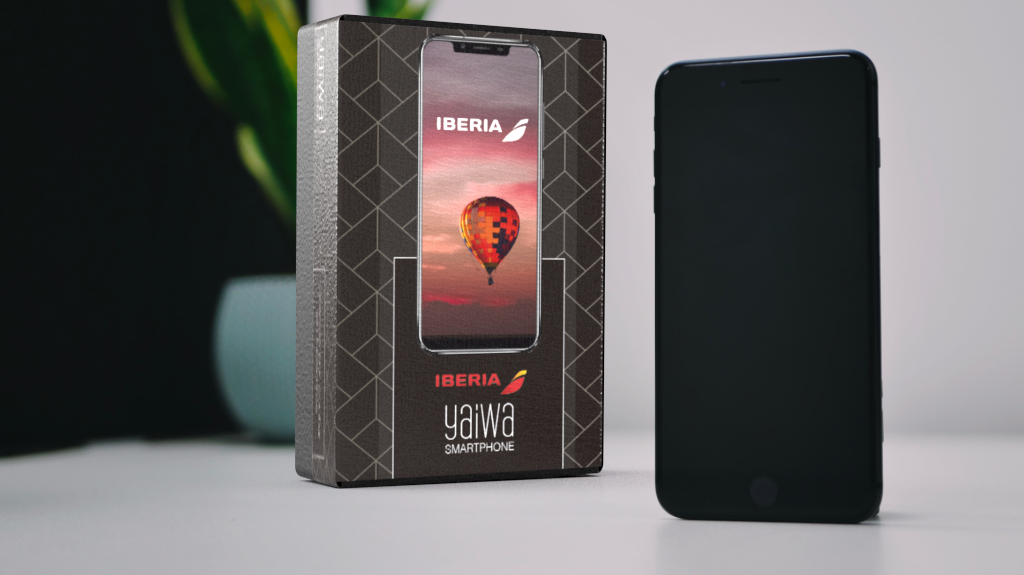
From Name Proposal to Unboxing Experience
The original name was "Yawa." When expanding the market to the Americas, the team searched for a name with easy pronunciation across multiple languages — Spanish, English, and Portuguese speakers all needed to say it naturally. The final name became YAIWA.
- Complete brand identity system: visual language, color, typography, mark
- Packaging design: box structure and full unboxing experience design
- Digital content: screen wallpapers and 3D renders for both high-end and low-end smartphone SKUs
- Extended engagement: designs for IBERIA (Spanish Airlines) travel branding
- Spirit Credit Card travel account kit — smartphone-ready for use in 130+ countries
Tools: Adobe Dimension for 3D renders and photorealistic product visualization. The project started with a credit card identity for Spirit Asian Company and grew into a full smartphone brand system.
YAIWA was an early and formative project in designing across the physical-digital boundary. Creating a consistent brand expression that worked equally on product hardware, retail packaging, and digital screens required a systems-first mindset — one that has informed all subsequent work in product and UX design.
Designing for an Asia-market client also pushed cultural adaptability: form factors, aesthetic preferences, and brand signaling all required contextual calibration beyond Western design defaults.