// archive · older work
Walking Dog
App POC
Proof of concept for a dog-walking marketplace app — "Dog City." User research, business model validation, and UX design for a location-based service connecting dog owners with professional walkers.
Objective: Validate a business model before committing to full product development. The POC combined market research, competitive analysis, and UX design to determine whether a dog-walking marketplace could achieve product-market fit — and how it should be designed to convert both dog owners and walkers.
Two-Sided Marketplace Dynamics
Dog City is a platform business: value is created by connecting two distinct user groups whose needs are complementary. The design must serve both sides — building trust for owners and opportunity for walkers — without prioritizing one at the expense of the other.
Dog Owners
Need: reliable, trustworthy care for their pets on flexible schedules. Key friction: trust and real-time visibility
Dog Walkers
Need: consistent income and manageable client load. Key friction: discovery and booking efficiency
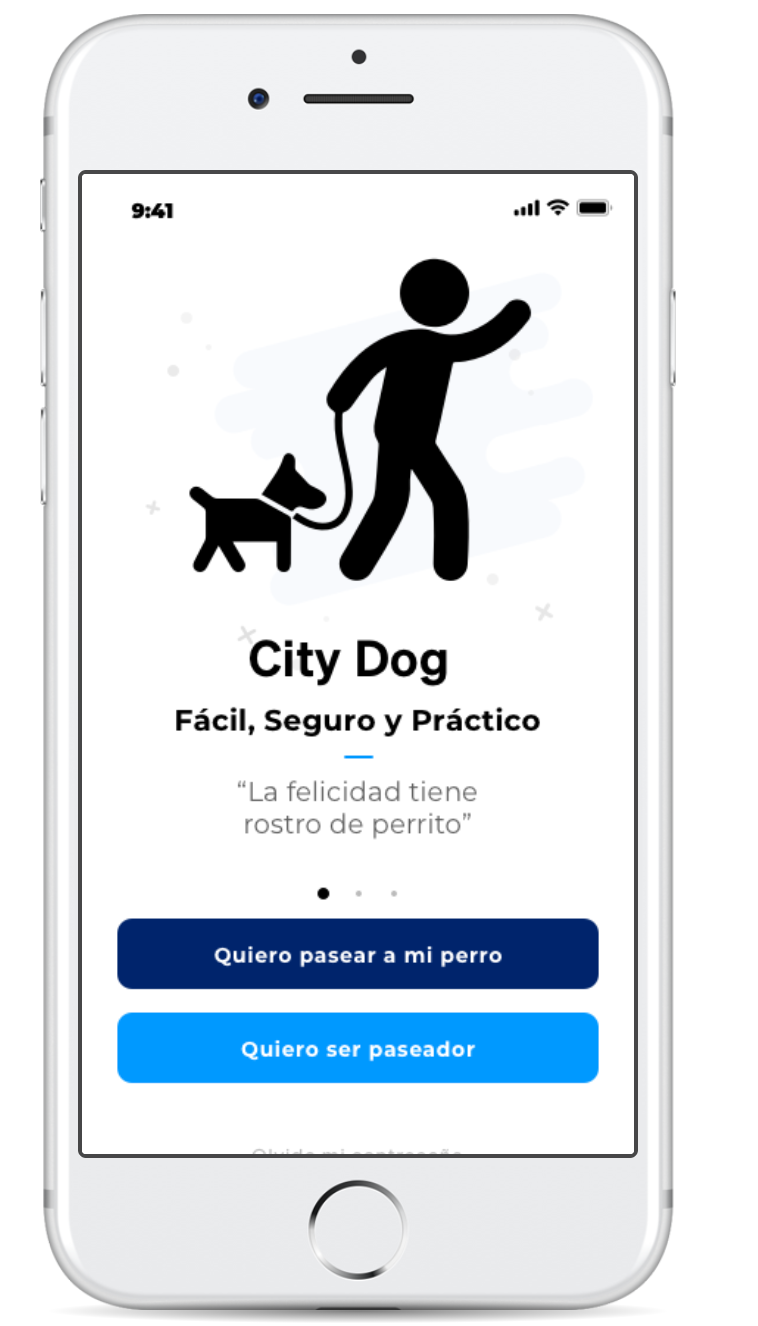
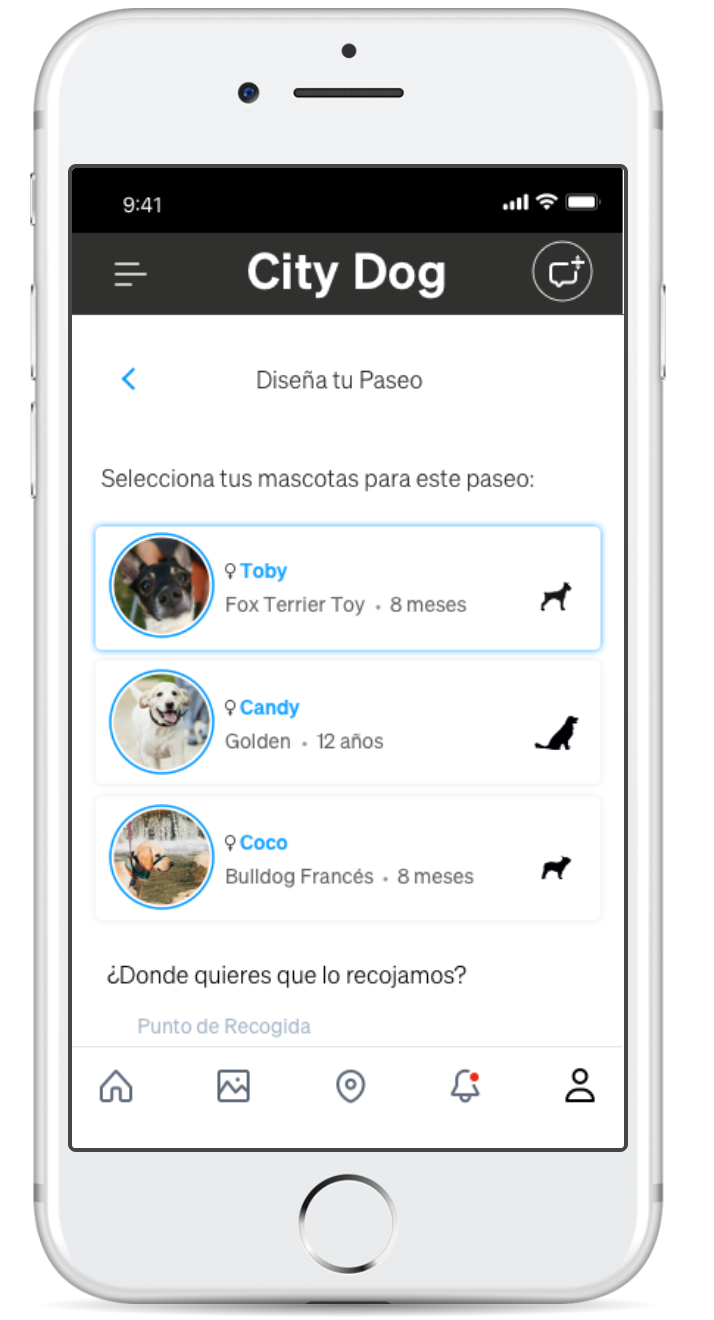
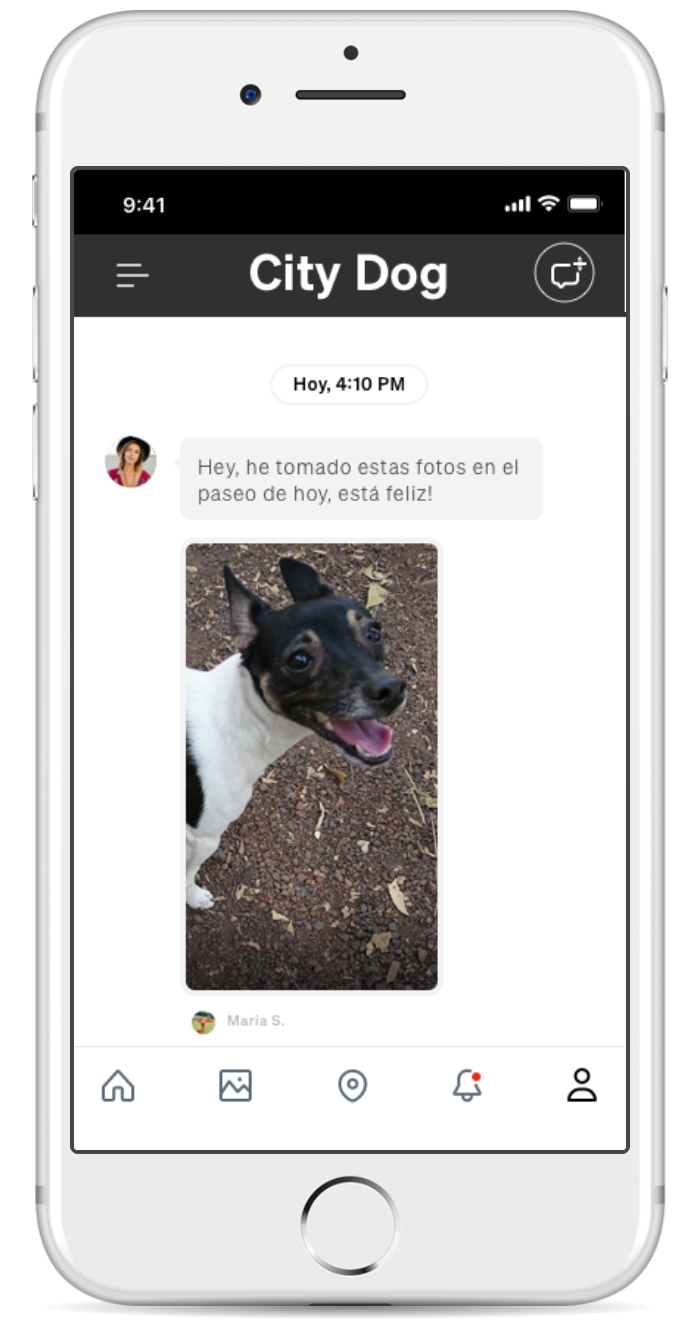
In two-sided marketplace design, the first design decision is: which side bootstraps first? For Dog City, walkers are supply — without them there is no product. The onboarding UX prioritized walker acquisition, then built owner trust on top of that foundation.
The Walking Dog POC was an exercise in UX as business validation — not just designing screens but designing a business model through the lens of user behavior. The research phase challenged initial assumptions about which features drive adoption on each side of the marketplace.
Location-based services add a critical trust dimension: users must feel safe before they will share location and payment data. The design solution embedded trust signals — verified profiles, real-time GPS tracking, rating systems — at every step of the journey rather than relegating them to a single "trust" section.