UX Center of Excellence
Built a UX Center of Excellence from zero — delivering 80% user adoption and 70% reduction in accessibility issues in a WCAG/ADA-regulated healthcare environment.
build a scalable, accessible, and consistent design system from zero — in a regulated healthcare environment — without disrupting ongoing product development?
There was no design system, no component library, no naming conventions in Figma. Accessibility complaints were surfacing in production — in a healthcare context where compliance failure has legal consequences, not just UX consequences.
There were no documented design principles. PMs were making product decisions without research backing. The design function existed but lacked the infrastructure to scale or defend its decisions.
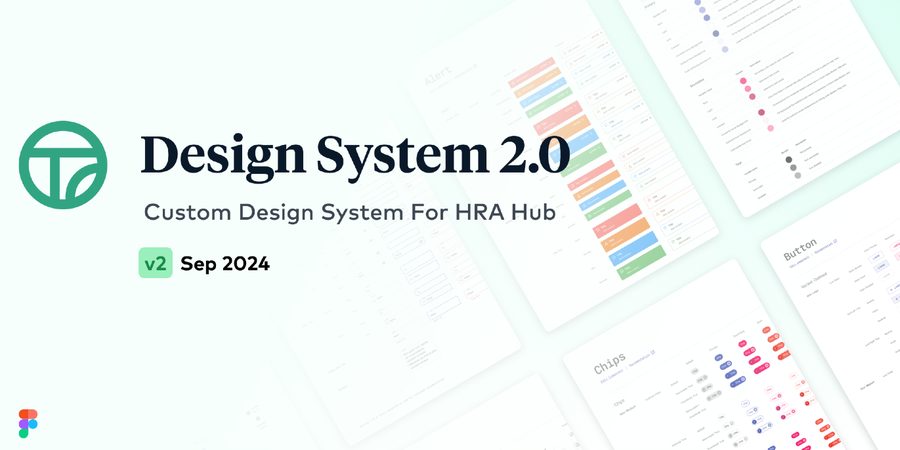
Built a WCAG/ADA-aligned component library in Figma from zero — prioritizing accessibility-first components over visual refinement, framing the design system as a risk reduction tool to get cross-functional buy-in.
Established a design-to-dev handoff process and trained PMs and stakeholders on design system usage. Redesigned the shopping experience flow, which became the flagship proof of adoption — 80% of the product now runs through the system.
I prioritized accessibility-first components over visual refinement. In healthcare, compliance failure has legal consequences — framing the design system as a risk reduction tool, not a design preference, was what got buy-in from legal, engineering, and product simultaneously.
Building from zero is different from inheriting a system. The hardest part isn't the design — it's getting cross-functional buy-in before there's anything visible to show. The first deliverable that mattered wasn't a component — it was a shared vocabulary.