Dashboard Redesign
Improved feature delivery speed by 30% and cut UX bugs in half — by introducing Double Track Agile and a consolidated Figma design system to a burned-out NielsenIQ design team.
eliminate designer burnout caused by reactive, development-driven decision-making — while maintaining continuous delivery quality?
Traditional handoff cycles forced designers to respond to developer decisions rather than lead them. Teams were burning out fixing issues in production rather than driving product strategy.
There was no shared design system — every designer worked in isolation. More than 60% of design time was consumed by bug fixes, leaving almost no capacity for discovery or innovation. The team had lost the ability to be proactive.
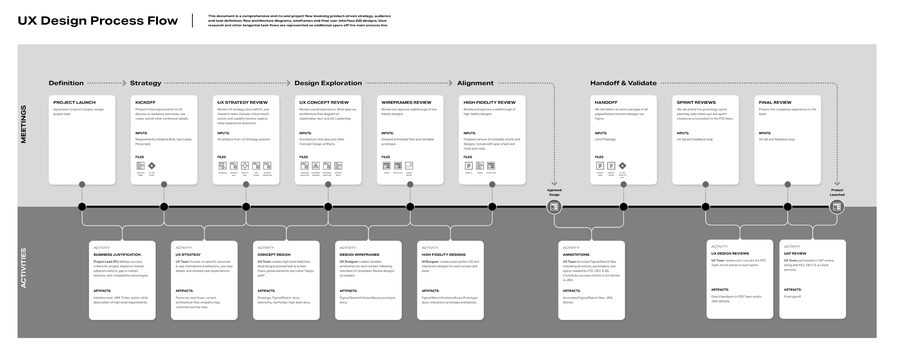
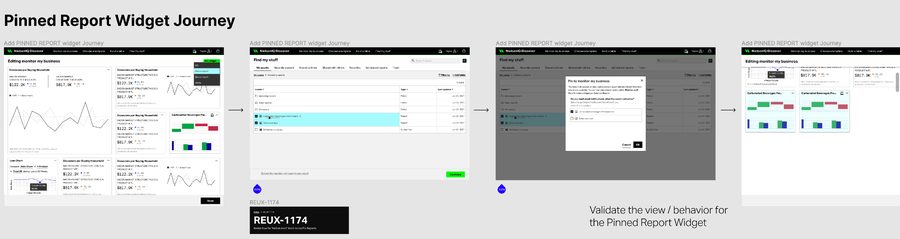
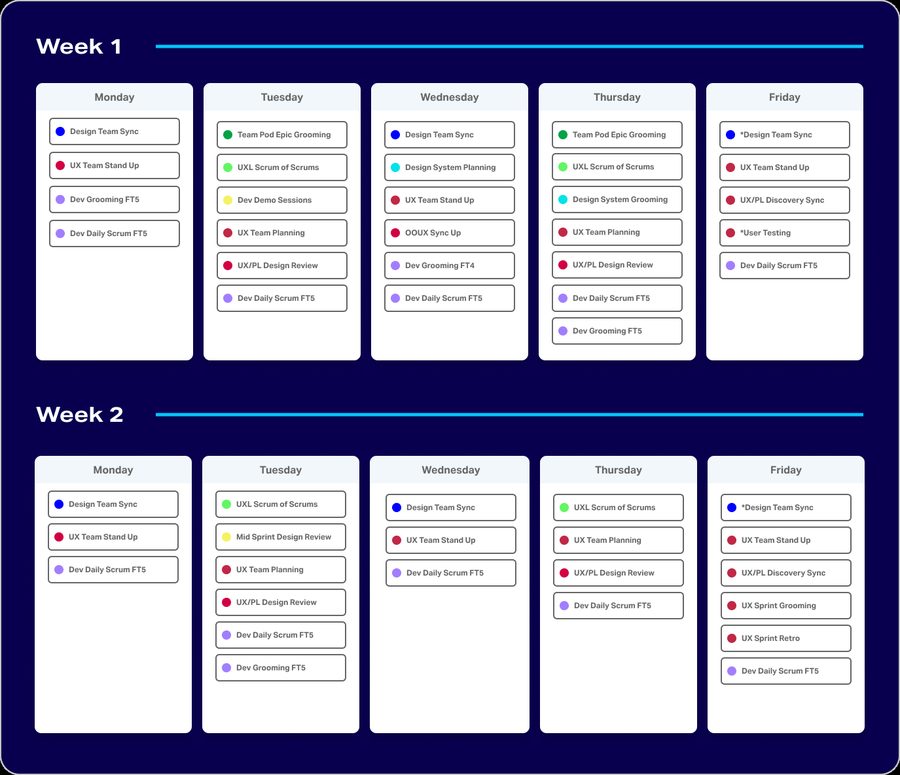
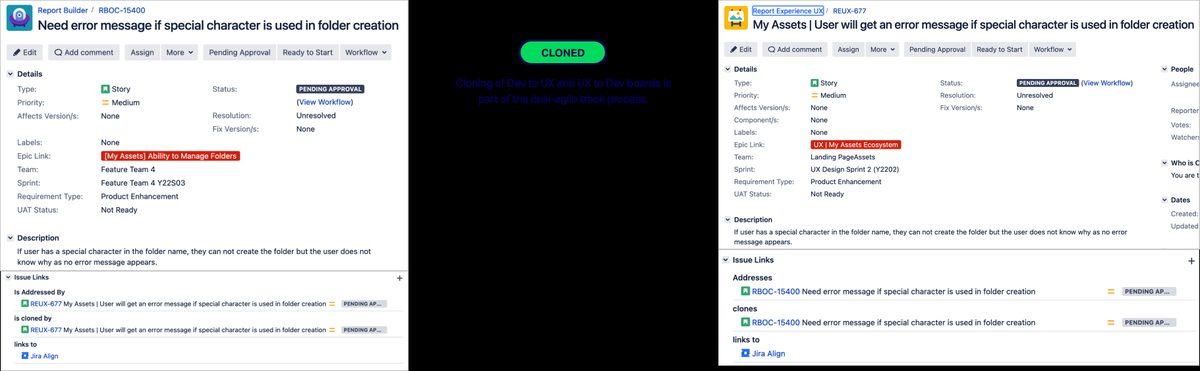
Double Track Agile — parallel discovery and delivery sprints — formally separated the spaces where designers could think ahead from those where they supported delivery. This single structural change ended the reactive loop.
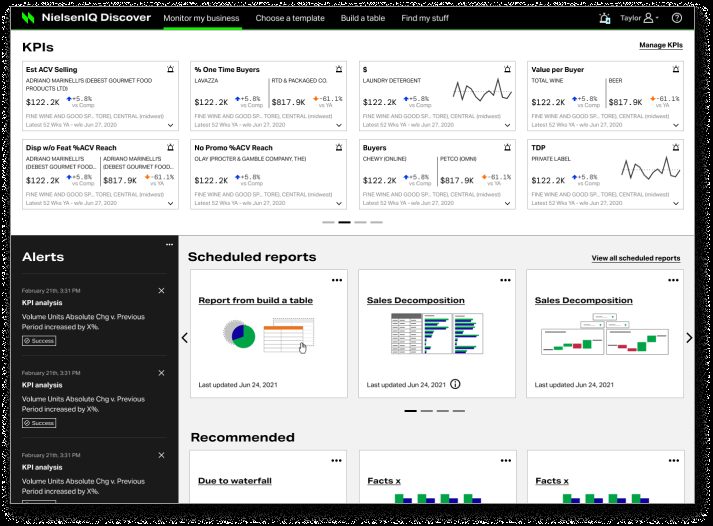
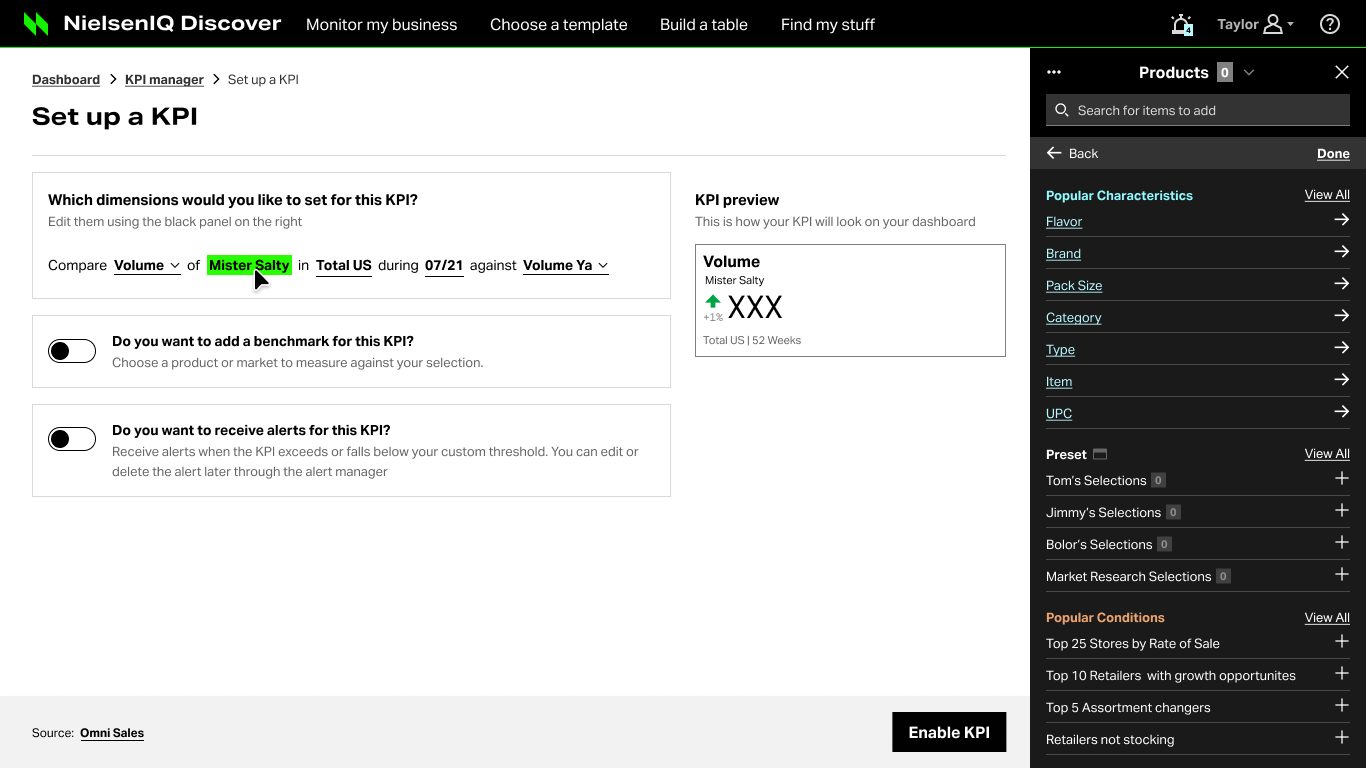
A consolidated Figma design system with tokens, components, and documented variants eliminated inconsistency at the source. Proactive KPI alerts and a democratized data dashboard gave the team visibility to anticipate problems before they reached production.
Double Track Agile — Structural Fix
The swimlane shows how separating Discovery and Delivery tracks ended the reactive loop. Designers stopped responding to developer decisions and started leading them. Hover each cell for detail.
Double Track Agile. The team was stuck in a reactive loop. By formally separating discovery and delivery tracks, designers stopped being responders and became leaders of the product conversation. It was a structural fix to a cultural problem.
It started emerging organically midway through — if we'd planned for it from sprint one, the consistency gains would have compounded faster. The lesson: structural process changes need to be designed as deliberately as the product itself.